-(1).png)
Media Hub
Video YouTube, siti web e articoli in un unico posto
In Evidenza
.png)
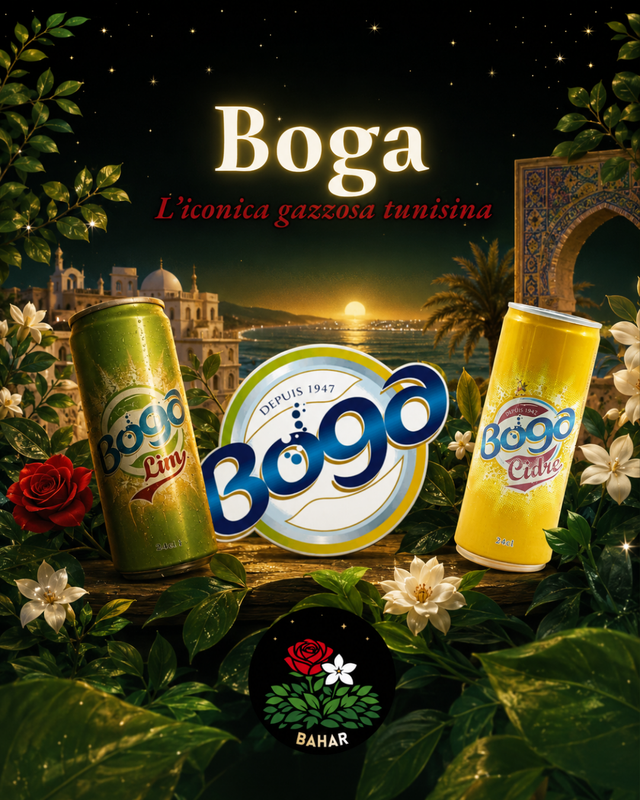
Boga, l'iconica gazzosa tunisina
Il primo di una serie di video dove scopriremo da vicino le bibite più iconiche del mondo arabo; primo episodio con la Boga, la gazzosa più iconica della Tunisia Ringraziamo Mercato Arabo per averci gentilmente donato le bibite, scopri di più sul loro sito e scopri dove puoi comprare la Boga in Italia nella web-app di Bahar
Panino con la porchetta e l’Islam.
Panino con la porchetta e l’Islam. Una parte di questo paese sta scivolando verso il passato senza freni. #saifraja #porchetta #roma #eid #festa Preferisci il panino con la porchetta o il kebab?

Cose Turche: l’unico bistrot turco a Milano
Scopri @coseturche.gastronomia , l'unico bistrot turco a Milano con una storia unica fatta di donne, amicizia e sapori Passa oggi, troverai una speciale Gözleme con carne, paprika e burro fuso cotta sul momento Le trovi in via Daniele Crespi 11 (M2 Sant'Agostino o Porta Genova) Segui e scopri la webapp di @baharlives per essere sempre aggiornato su ristoranti, eventi e tanto altro

Storia e simbolismo della Kefiah
Storia e simbolismo della Kefiah, uno dei copricapi più iconici al mondo e simbolo assoluto dell'identità palestinese Origine della Kefiah La Kefiah (conosciuta anche come kufiyyeh o ghutrah) è un copricapo dalla storia antica, legata soprattutto alla sfera beduina e contadina del mondo arabo; in origine serviva infatti a quest'ultimi a proteggersi dal sole, tant'è che nelle grandi città le era preferito il fez (conosciuto anche come tarboush), mentre è solo dal 20° secolo che la Kefiah ha assunto i connotati universali che conosciamo oggi.
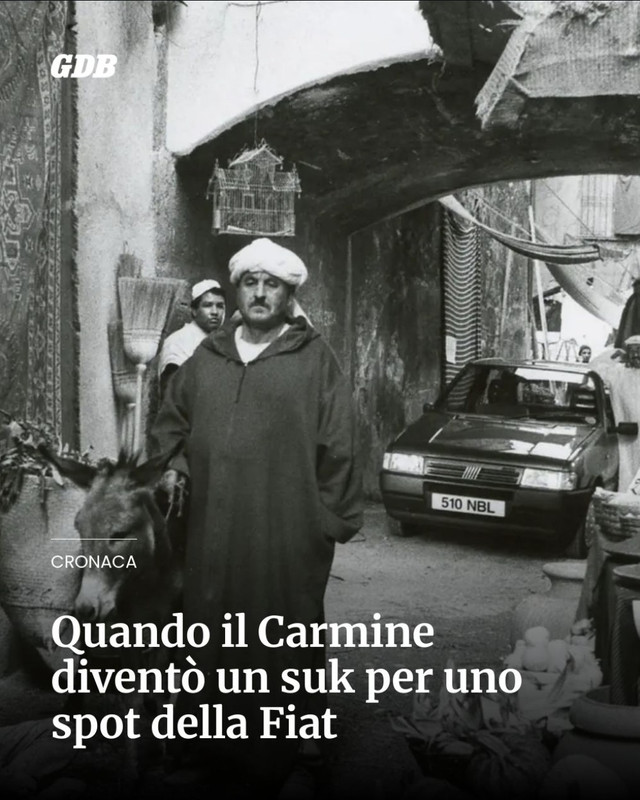
Quando Il Carmine divenne un suk per uno spot della Fiat
Vicolo Tre archi nel 1989 fu il set per una pubblicità per lanciare la «Uno» sul mercato del Regno Unito Scopri l'articolo sul sito de Il Giornale di Brescia
 Maghreb
Storia della Boga
Tutta la storia dell'iconico brand di gazzose tunisino
MaghrebBoga, l'iconica gazzosa tunisina
Il primo di una serie di video dove scopriremo da vicino le bibite più iconiche del mondo arabo; primo episodio con la Boga, la gazzosa più iconica della Tunisia Ringraziamo Mercato Arabo per averci gentilmente donato le bibite, scopri di più sul loro sito e scopri dove puoi comprare la Boga in Italia nella web-app di Bahar
 Maghreb
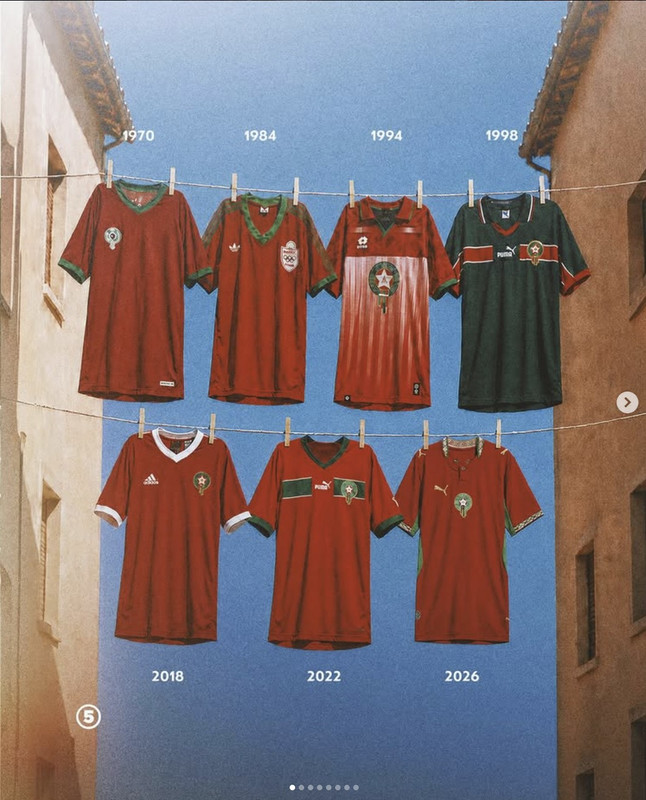
Threads of pride stitched through generations
Threads of pride stitched through generations. From 1970 to 2026, the Atlas Lions legacy lives on 🇲🇦🦁
 Levante
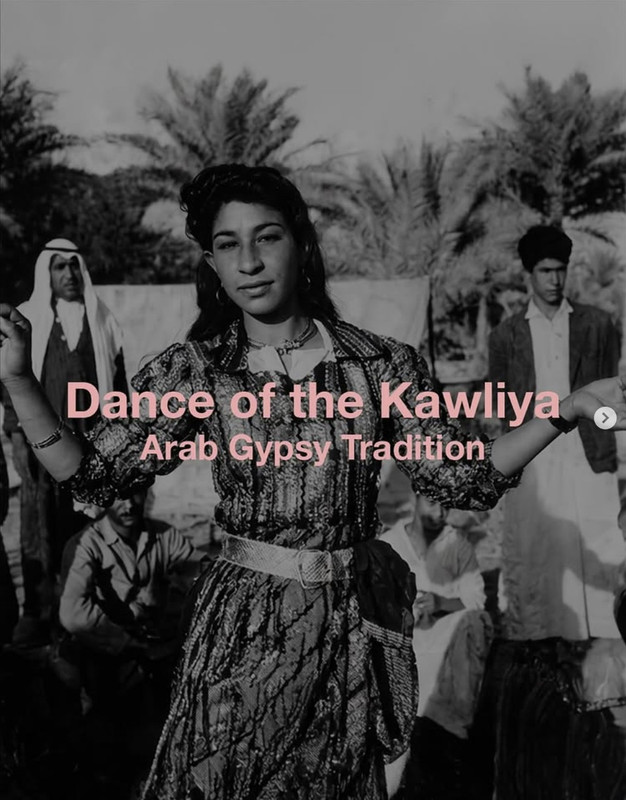
Dance of the Kawliya: A reflection on the influence of Gypsy tradition on Arab culture.
Dance of the Kawliya: A reflection on the influence of Gypsy tradition on Arab culture. Kawliya traces its roots to one of the Arab world’s most misunderstood communities. Known today as the Domari or Ghajar people, the Kawliya have lived across Mesopotamia for centuries. Their music, dance, and performance traditions became inseparable from cultural life in Iraq, particularly in Basra and the south, where Arab, African, Persian, and Gulf influences converged. At the center of this tradition was Hacha’a, an expressive dance performed primarily by women. Characterized by powerful hair movements, intricate hand gestures, rhythmic footwork, and the rapid pulse of the khashaba drum, it carried themes of longing, heartbreak, memory, and resilience. Some researchers connect elements of the dance to ancient fertility rituals, while others see it as a living archive of Iraq’s cultural exchanges across centuries. Yet the women who preserved these traditions often paid a social price. As singers, dancers, and entertainers, Kawliya women occupied a visible role in Iraqi society characterized by both admiration and stigma. The word “Kawliya” itself became a slur, while media increasingly replaced it with terms such as Banat al Reef, or “daughters of the countryside,” to avoid acknowledging the community directly. Since 2003, many Kawliya communities faced displacement, violence, and deepening marginalization. Families that once sustained themselves through music and dance were pushed toward poverty, while younger generations concealed their identity to avoid discrimination. But their influence is undeniable. The movement vocabulary of Iraqi folk dance still carries traces of a culture that helped shape the region’s musical identity while rarely receiving recognition for it.
.png) Italia
ItaliaPanino con la porchetta e l’Islam.
Panino con la porchetta e l’Islam. Una parte di questo paese sta scivolando verso il passato senza freni. #saifraja #porchetta #roma #eid #festa Preferisci il panino con la porchetta o il kebab?
ItaliaCose Turche: l’unico bistrot turco a Milano
Scopri @coseturche.gastronomia , l'unico bistrot turco a Milano con una storia unica fatta di donne, amicizia e sapori Passa oggi, troverai una speciale Gözleme con carne, paprika e burro fuso cotta sul momento Le trovi in via Daniele Crespi 11 (M2 Sant'Agostino o Porta Genova) Segui e scopri la webapp di @baharlives per essere sempre aggiornato su ristoranti, eventi e tanto altro
 Italia
Dove fare Salat eid a Milano?
Ormai ci siamo, il 27 maggio sarà il giorno dell’Eid al Adha (o Kurban Bayram o Eid Qorban), ma quali sono i luoghi e le moschee in cui è possibile fare questa salat? Scopriamoli insieme
 Levante
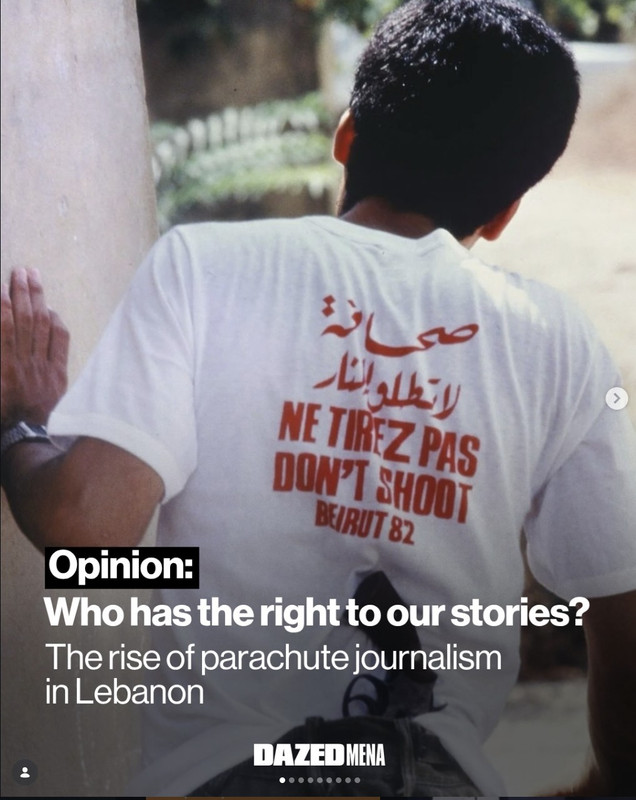
Who has the right to our stories? The rise of parachute journalism in Lebanon
As Israel continues its violent aggression in Lebanon, and following the targeting and killing of reporter Amal Khalil on April 22nd, we’re forced to confront a difficult question: who has the right to tell our stories? The choice to detach oneself from a particular news outlet or institution once offered journalists the freedom to write the stories they wanted to read, learn a new language, forge genuine friendships that could lead to uplifting silenced voices, and study the seminal texts that help make sense of a nation, its culture, and its people. Today, that choice feels as though it has become a default fast path into the competitive world of journalism, a path that may never materialise, leading to a visible split in regional reporting. What does the growing presence of parachute journalists in Lebanon mean for local dignity and safety? And what, ultimately, are their aims?
 Penisola arabica
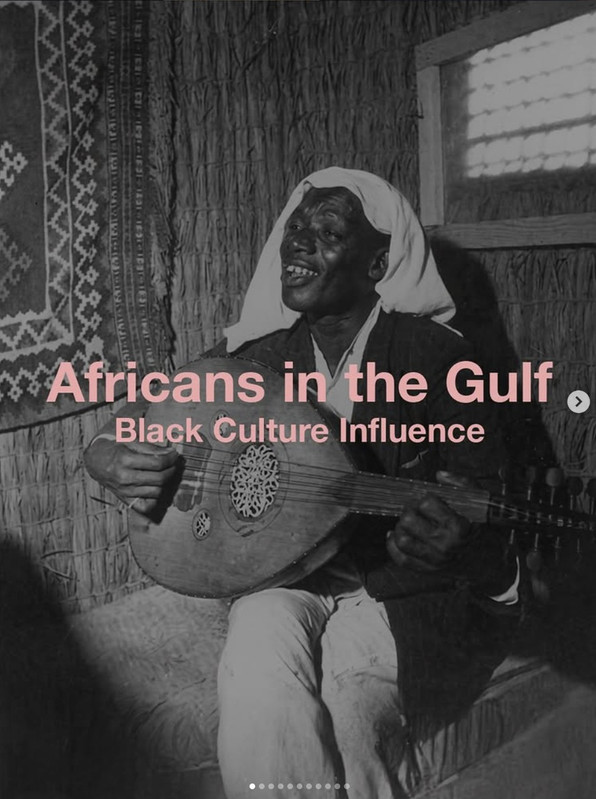
Africans in the Gulf, Black Culture Influence
Africans in the Gulf: A reflection on black influence in shaping Gulf culture and history. The history of the Gulf cannot be told without Africa. Long before oil, trade routes between East Africa, the Arabian Peninsula, and India carried not just goods, but people, languages, and rhythms that reshaped the region from within. By the late nineteenth century, the demand for pearls and dates intensified the forced movement of Africans into Gulf economies, where many labored in plantations and pearl diving fleets, forming as much as a fifth of the population. What remains today is not only a history of displacement, but a cultural imprint that is deeply embedded in Gulf identity. Musical forms such as liwa and tanbura trace directly to Tanzania, Kenya, and Sudan, carrying Swahili phrases, pentatonic scales, and complex 6/8 rhythms that still define Khaliji sound. In Bahrain and Kuwait, many of the custodians of pearl diving songs and ceremonial music were of African descent, preserving traditions that might have otherwise disappeared; sitting at the core of how the Gulf sounds, moves, and remembers. Yet this history exists alongside a more difficult legacy. The structures of servitude and later systems of dependency shaped social hierarchies that continue to echo in language, perception, and opportunity. Terms, stereotypes, and unspoken boundaries persist, even as African-descended Gulf citizens hold nationality, influence, and cultural presence. The paradox is clear: integration without full acknowledgment. Today, as the Gulf redefines itself, this history demands more than quiet recognition. It offers a lens through which to understand hybridity as a strength rather than a contradiction. To move forward is not to separate African and Arab identity, but to acknowledge how that intersection continues to shape culture across the region. Archival photos and research from Souffles Monde, Fanack, DW, Afropop Worldwide, Scene Arabia, The Best of Habibi, Kuturni Studia Performance photos from Zahed Sultan’s ‘Hiwar’ archive, a project that reimagines music traditions of the Gulf through live, multi arts performance. Disclaimer: photos modified with AI
 Penisola arabica
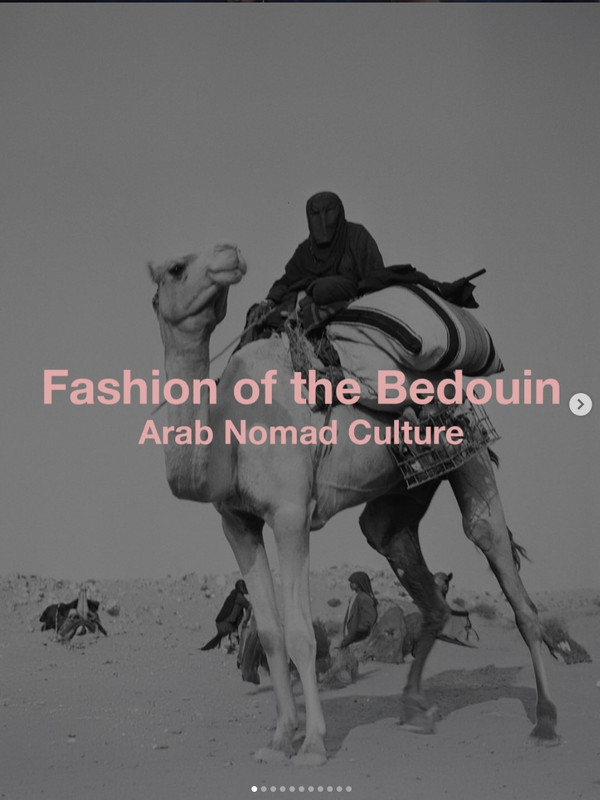
Fashion of Beduin, Arab Nomad Culture
Fashion of the Bedouin: A reflection on Arab nomad culture and the role it played in shaping societal norms. Before borders, cities, and fixed homes, Bedouin life moved with the desert, shaped by seasons, scarcity, and survival. In this environment, fashion was never ornamental alone. It was functional, symbolic, and deeply tied to identity. The black abaya, the woven tent cloth known as بيت الشعر, and the layered silver jewelry seen in Jette Bang’s 1959 photographs of the Al-Na’im and Al-Murrah tribes were not just aesthetic choices but reflections of mobility, protection, and status. A woman’s attire carried markers of tribe, environment, and resilience, shaped by the need to endure both climate and constant movement. Within this structure, women were not peripheral figures. They were central to the continuity of Bedouin life. As documented in these rare archives, women built and dismantled tents, wove textiles, herded livestock, and managed households. Professor Mariam al-Hammadi notes that many assume Bedouin women had little agency, yet the reality was the opposite. Women often led families, especially in transitional moments, with some taking full responsibility for entire households. This openness extended beyond labor into social norms. In a landscape without walls or fixed boundaries, separation between men and women was less rigid than in later urban societies. Trust, reputation, and collective accountability defined behavior more than restriction, shaping codes that still echo today. As modernization reshaped the region through settlement programs, borders, and oil economies, the nomadic lifestyle receded. Yet its imprint remains. The silhouettes, fabrics, and codes of Bedouin dress continue to influence contemporary fashion, while the ethos of resilience and adaptability offers a framework that still holds relevance in a rapidly changing Gulf. Archival photos and research from Rare Historical Photos, Middle East Eye, Historic Photographs, Kuwait City News. Performance photos from Zahed Sultan’s ‘Hiwar’ archive, a project that reimagines music traditions of the Gulf through live, multi arts performance. Disclaimer: photos modified with AI
 Maghreb
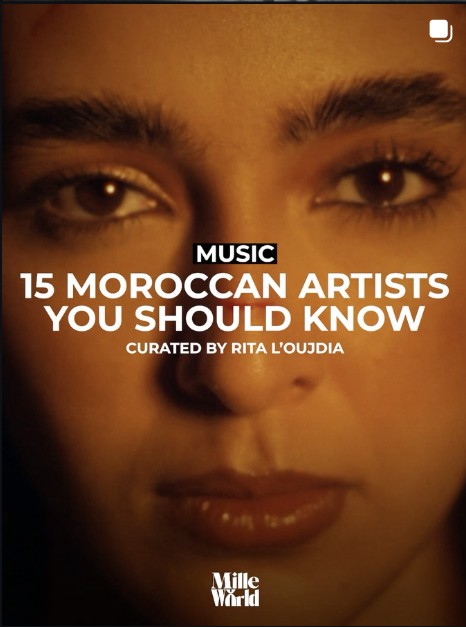
15 Moroccan artists you should know
We asked @ritaloujdia for a list, in no particular order, of which musical artists from her native Morocco are worth keeping an eye on right now 🎧
 Levante
Over 14 million of Lebanese live outside Lebanon
Dm us “Join lebos” to get added🙌

 Mondo turco
Altın Gün, il rock psichedelico turco fra Olanda ed Anatolia
Gli Altın Gün sono una delle band più celebri band di rock turco psichedelico, con una storia che unisce Olanda e Turchia Altın Gün, fra Turchia ed Olanda Gli Altın Gün sono una band turco-olandese nata nel 2016 grazie all’intuizione di Jasper Verhulst, l’attuale bassista della band, che, in un viaggio ad Istanbul, rimase folgorato dal rock psichedelico turco, decidendo di fondare una propria band che inseguisse questo genere unico. Una volta tornato ad Amsterdam entrò in contatto con Erdinç Ecevit Yıldız, Merve Daşdemir e gli altri membri della band (Daniel Smienk, Chris Bruining e Thijs Elzinga) formando così gli Altın Gün.

 Mondo persiano
Teheran e la cultura pop
A Karbala, nel cuore dell’Islam sciita, a pochissima distanza dal complesso dedicato all’imam Hussein ibn Ali, dove i fedeli compiono e completano il loro pellegrinaggio pregando sulla tomba e nel mausoleo dedicato al figlio (ibn) di Ali e nipote di Mohammad, ucciso nella battaglia di Karbala del 680 d.C., ho visitato uno degli studi di animazione più grandi di tutto il Medio Oriente. Ad esso era dedicato un intero capannone all’interno del compound di Karbala tv nata nel 2008, una televisione regionale finanziata con il fondo del Mausoleo (l’Imam Hussein Media Group) che distribuisce programmi, notiziari e intrattenimento a sfondo religioso per il pubblico sciita. L’evoluzione di Karbala Tv in Iraq Intorno al 2014 il canale ha ampliato la sua programmazione, espandendola sulle 24 ore, e l’ha allargata ad altri settori, dalle news ai talks con ospiti, fino all’animazione e ai cartoni animati per bambini. Così è nato lo studio, molto ampio, e straordinariamente operativo negli anni della guerra irachena contro l’Isis (2014-2018). La manifestazione tangibile di tutta questa produzione, dal 2014 al 2018, è stata il festival cinematografico di Karbala, al-Nahji Film Festival, che visitai nel 2018. di Laura Silvia Battaglia Leggi l’articolo completo al link in bio.
 Italia
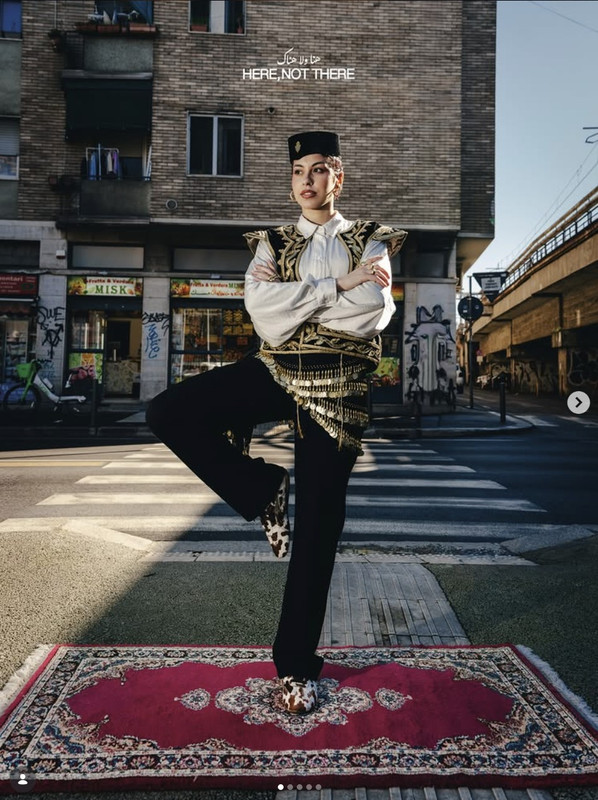
Here, not there
A volte, noi figli di stranieri ci sentiamo sospesi tra due mondi che sembrano opposti, ma che in realtà sono proprio ciò che ci ha resi le persone che siamo oggi. Fin da piccoli abbiamo camminato lungo un sentiero fatto di due strade: una legata alle nostre origini, alla nostra cultura e alla terra da cui proveniamo; l’altra al luogo in cui siamo cresciuti, dove abbiamo pronunciato le prime parole, costruito le prime amicizie e vissuto le prime esperienze di vita. Spesso ci siamo ritrovati fermi a metà di questo percorso, confusi e, non di rado, giudicati, come se non essere in grado di scegliere una sola strada fosse un limite. Eppure, crescendo, si comprende qualcosa di diverso: non è necessario scegliere. Non esiste una strada più giusta dell’altra. Con il tempo si arriva a capire che entrambe fanno parte di noi e che, prima o poi, quelle due strade si incontrano. Ed è proprio in quell’incrocio che troviamo il nostro equilibrio, la nostra identità Creative Direction & styling: @chihi_omar Photography & Video: me @mohamedkasimi_ Graphic Design: @iatelier.co co
 Mondo turco
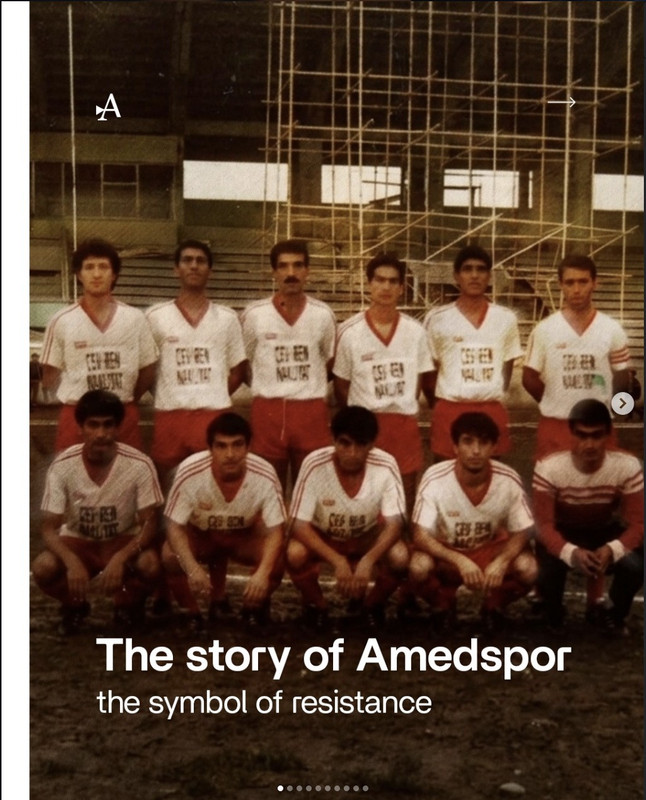
The story of Amedspor: the symbol of resistance
Last week, Amedspor’s promotion sparked celebrations among Kurds everywhere. But the joy was not only about football; it was about what Amedspor represents as a symbol of Kurdish identity, resistance, and collective pride. The club’s journey has seen many ups and downs, from its evolution and rise on the pitch to years of state pressure, persecution, and hostility. Today, Amedspor stands as more than a team that represents the football of a city or region. It is a space of representation and resistance for Kurds in Turkey and beyond.
 Levante
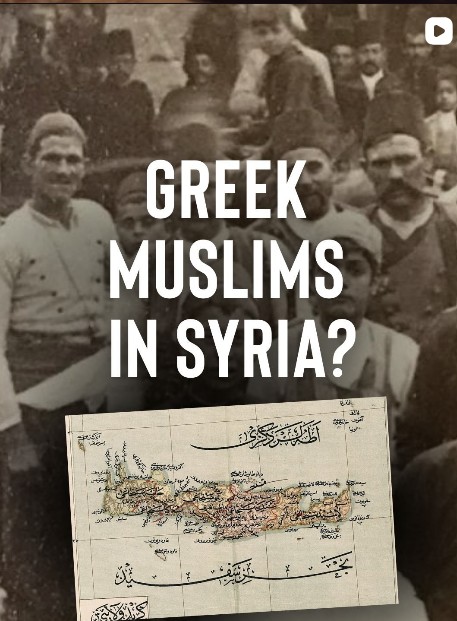
Greek Muslims in Syria?
Have you ever heard of the community of Greek Muslims in Syria and the Middle East? The Cretan Muslims are a unique group of people often forgotten by history. They are Greeks who converted to Islam during the Ottoman rule of the island of Crete from the 17th-19th century. After Bosnia and Albania, the island of Crete saw the most mass conversions to Islam under the Ottoman Empire. *Note: The majority of them are not Turks, despite them being known as “Cretan Turks / Girit Türkleri Tourkokritiki”. 👉If topics like these interest you then consider subscribing to my Substack where I publish interesting articles on Islamic history - first link in my bio!
 Levante
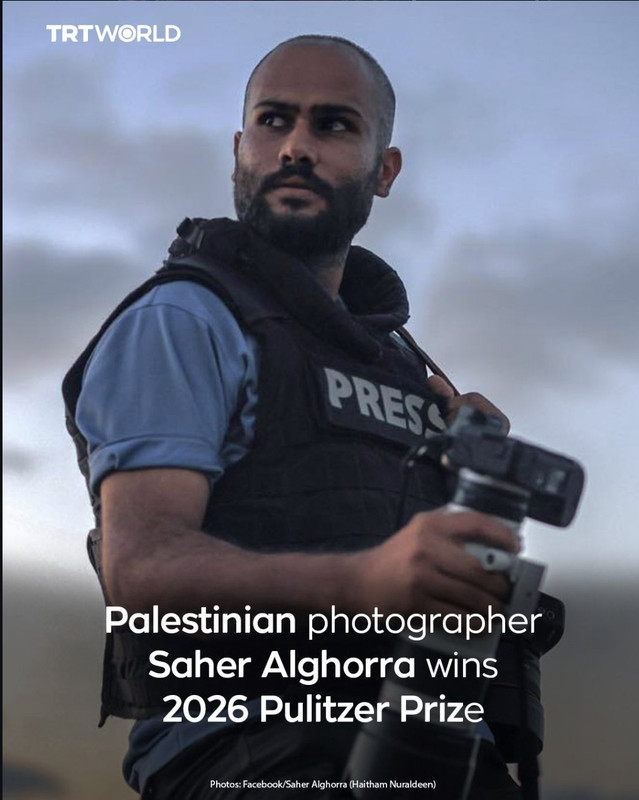
Palestinian photographer Saher Alghorra has secured the 2026 Pulitzer Prize
Palestinian photographer Saher Alghorra has secured the 2026 Pulitzer Prize for breaking news photography for his poignant documentation of the humanitarian crisis in Gaza. Alghorra, a contributor to the New York Times, won for a series that Pulitzer Administrator Marjorie Miller described as “haunting” and “sensitive.” The images illustrated the starvation and destruction resulting from Israel’s genocide in Gaza since October 2023. Miller underscored the importance of independent journalism amid escalating obstacles. In addition to the Pulitzer, Alghorra won the first prize for war photography at the 32nd Prix Bayeux Calvados-Normandie in France last October. His award-winning report, “Trapped in Gaza: Between Fire and Famine”, highlighted the reality of life under Israeli siege and the plight of civilians caught between bombardment and starvation.
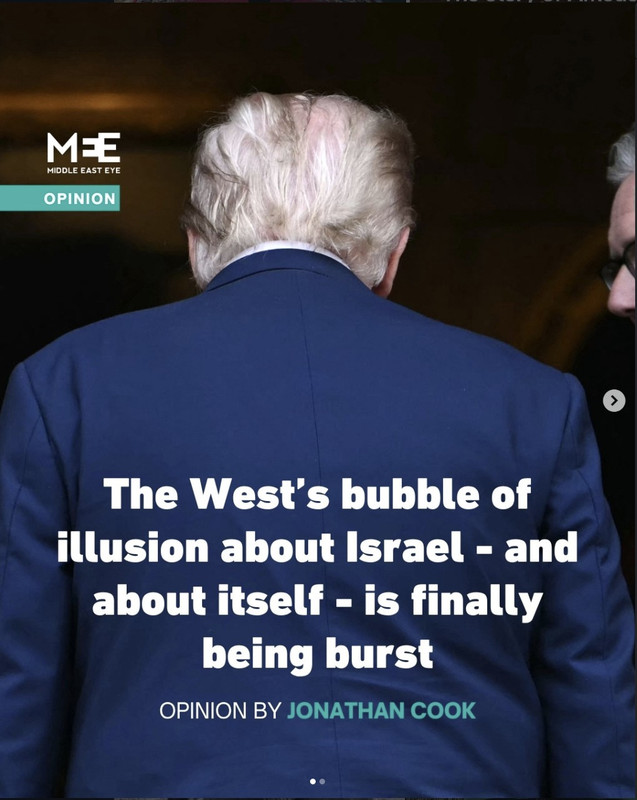
The West's bubble of illusion about Israel - and about itself - is finally being burst
“For decades, two irreconciliable narratives about Israel and its motivations have existed in parallel. On the one side, an official western narrative portrays a plucky, besieged ‘Jewish’ state of Israel, desperate to make peace with its hostile Arab neighbours. Even to this day, that story dominates the political, media and academic landscape. Time and again, or so we are told, Israel has held out an olive branch to ‘the Arabs’, seeking acceptance, but is always rebuffed. A largely unspoken subtext suggests that supposedly irrational, bloodthirsty, Jew-hating regimes across the region would have completed the Nazis’ exterminationist agenda but for the West’s humane protection of a vulnerable minority. A Palestinian counter-narrative, accepted across much of the rest of the world, is choked into silence in the West as an antisemitic ‘blood libel’. It presents Israel as an ethnic supremacist, highly militaristic state - armed by the US and Europe - bent on expansion, mass expulsions and land theft. On this view, the West implanted Israel as a colonial military outpost, there to subdue the native Palestinian population, and terrorise neighbouring states into submission through relentless and overwhelming displays of force. Palestinians cannot make peace, or reach any kind of accommodation, because Israel pursues only conquest, domination and erasure. No middle ground is possible. The proof, note Palestinians, is Israel’s long-standing refusal to define its borders. As its military power has grown, ever more extreme political agendas have surfaced, demanding not just Israel’s takeover of the last remnants of the Palestinian territories it illegally occupies but expansion into neighbouring states like Lebanon and Syria. Here are two conflicting narratives in which each side presents itself as the victim of the other. Two and a half years into a series of Israeli wars against the peoples of Gaza, Iran and Lebanon, how are these two perspectives holding up?” 🔗 Click the link in our bio to read the full column* ✍️: Jonathan Cook *The views expressed in this column belong to the author and do not necessarily reflect the editorial policy of MEE
 Levante
47Soul, i signori dello Shamstep
Fra le più grandi band d'elettronica di tutto il mondo arabo, i 47Soul celebrano la storia della propria terra, la Palestina, attraverso l'unione di Dabke e dubstep; il risultato è strabiliante 47Soul I 47Soul nascono nel 2013 ad Amman, in Giordania, dall'unione di: El Far3i, Z the People, El Jehaz e Walaa Sbeit; 4 artisti figli della Diaspora palestinese uniti per rilanciare le questioni che da sempre attanagliano il loro popolo ma con musicalità completamente nuove e stravolgenti. Il nome della band è traducibile come "anima del "47" e fa proprio riferimento a ciò che era la Palestina prima della nascita d'Israele, risalente, appunto al 1948.
 Penisola arabica
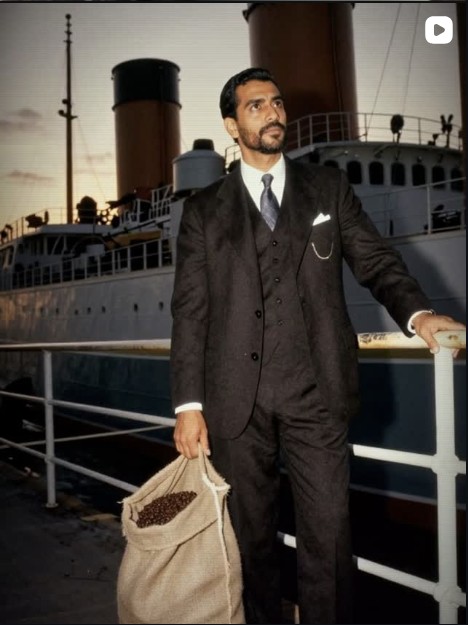
The history of Yemeni coffe in NYC
Yemeni Muslims built Wall Street in the 1890s while politicians cry about immigration
 Levante
La nuova tuta del Lajee Celtic, la squadra del campo profughi di Aida (Cisgiordania)
Domenica, il Lajee Celtic ha presentato ufficialmente la nuova tuta della sua squadra, ispirata alla bandiera della Palestina. Il club ha sede nel campo profughi di Aida, in Cisgiordania, ed è nato nel 2019 con il nome di Aida Celtic, su iniziativa di un gruppo di tifosi del Celtic Glasgow. La società sportiva del Lajee Celtic si impegna a usare lo sport come strumento di comunità ed emancipazione per i ragazzi e le ragazze della Palestina. Il 100% dei proventi della vendita di queste tute verrà utilizzato per sostenere i progetti del club. Potete acquistare la divisa e altri prodotti sullo store ufficiale del @lajeeceltic.
 Sud-est asiatico
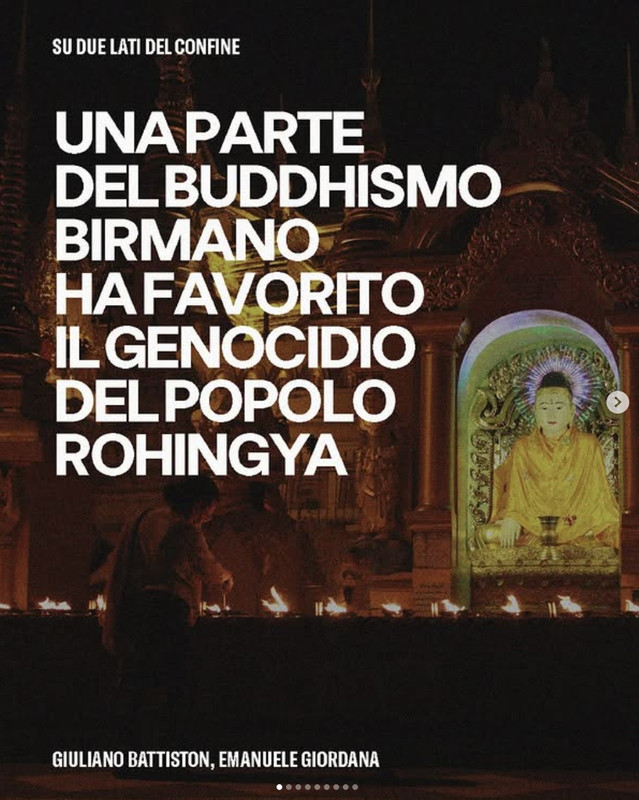
Una parte del buddismo birmano ha favorito il genocidio del popolo Rohingya
Questo è accaduto già prima delle grandi repressioni del 2012 e del 2017. Il sostegno al Tatmadaw, l'esercito birmano, ha sicuramente contribuito a orientare un’opinione pubblica largamente ostile alla popolazione rohingya. "Su due lati del confine. Rohingya, cronache di un popolo perseguitato" di Giuliano Battiston ed Emanuele Giordana è in tutte le librerie.
 Mondo persiano
Your fave beauty brand? Actually Persian
You probably have these all over your vanity without even realizing it. Some of the most viral, Gen Z-obsessed brands were actually started by Persians.
 Italia
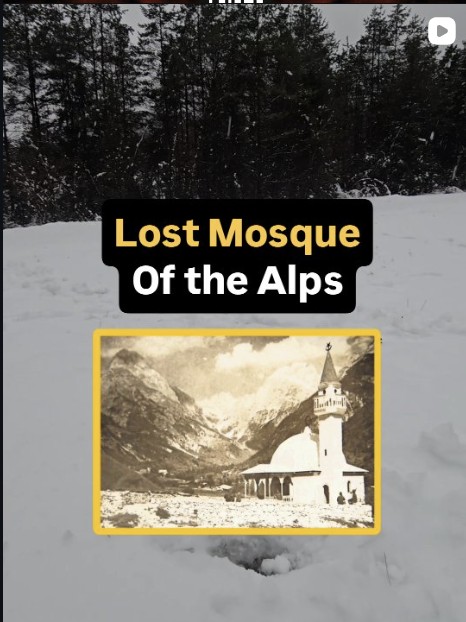
Lost Mosque of the Alps
Hunting for a forgotten ruins of a 109 years old Mosque deep in the European alps of Slovenia. Built in November 1916 by Bosnian Muslim soldiers of the Austro-Hungarian army during World War I, this small military mosque stood near the Soča Front in what is today north-western Slovenia. It served Muslim troops stationed in the Julian Alps. The structure was made of stone, featured a carved wooden porch, a domed roof, and a square minaret. After the war, the soldiers returned home. The region came under Italian rule, and the abandoned mosque was demolished in the 1920s. Only a handful of photographs survive. Today, the site lies near a World War I military cemetery, with no visible mosque structure remaining.
LevanteStoria e simbolismo della Kefiah
Storia e simbolismo della Kefiah, uno dei copricapi più iconici al mondo e simbolo assoluto dell'identità palestinese Origine della Kefiah La Kefiah (conosciuta anche come kufiyyeh o ghutrah) è un copricapo dalla storia antica, legata soprattutto alla sfera beduina e contadina del mondo arabo; in origine serviva infatti a quest'ultimi a proteggersi dal sole, tant'è che nelle grandi città le era preferito il fez (conosciuto anche come tarboush), mentre è solo dal 20° secolo che la Kefiah ha assunto i connotati universali che conosciamo oggi.
 Maghreb
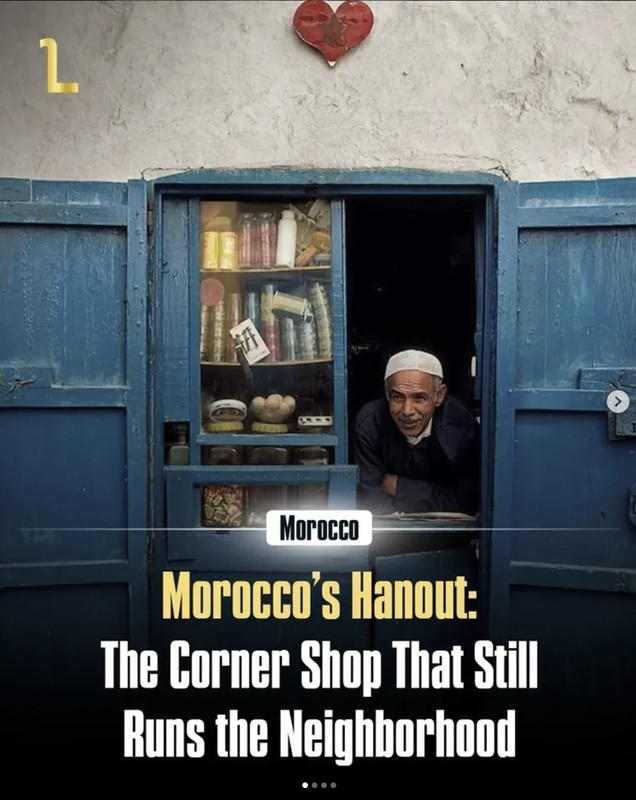
Morocco's Hanout: The Corner Shop That Still Run the Neighborhood
In Morocco, the hanout sells daily essentials, but its real power is social: trust, routine, and the quiet credit that keeps households moving.
 Levante
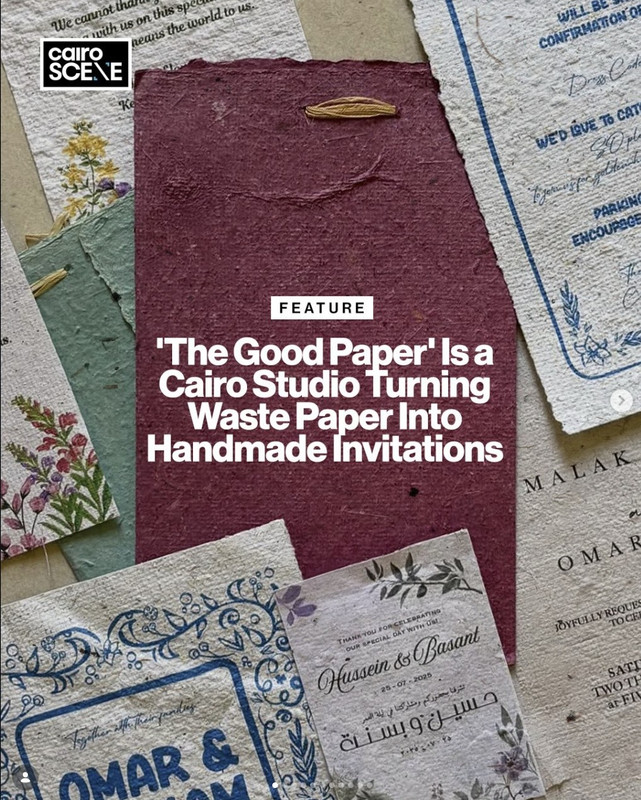
"The Good paper" is a Cairo Studio Turning Waste Paper Into Handmade Invitations
Sherifa El Awa keeps a mould and deckle in her workspace; two wooden frames, one fitted with mesh, that together do the oldest job in papermaking. You dip them into a vat of pulp, lift slowly, let the water drain through the screen, and then what settles on top becomes a sheet of paper. The pulp El Awa uses is made from waste: old prints, packaging, scraps and offcuts from previous jobs. Everything was torn up, soaked, blended back down to fibre and started over. “Everything is done by hand,” El Awa says, “so no two sheets ever look exactly the same.” El Awa is the designer and maker behind The Good Paper, a Cairo-based studio producing handcrafted recycled paper for invitations, menus, place cards, tags and packaging inserts. She graduated from AUC’s design program in 2020, but the project started earlier than that when a family member wanted to print invitations on recycled paper but couldn’t find a single supplier in Cairo who offered it. For the full feature on how The Good Paper turns waste into handmade stationery, head to scenenow.com or download the SceneNow app - link in bio. 🖊️Mariam Elmiesiry
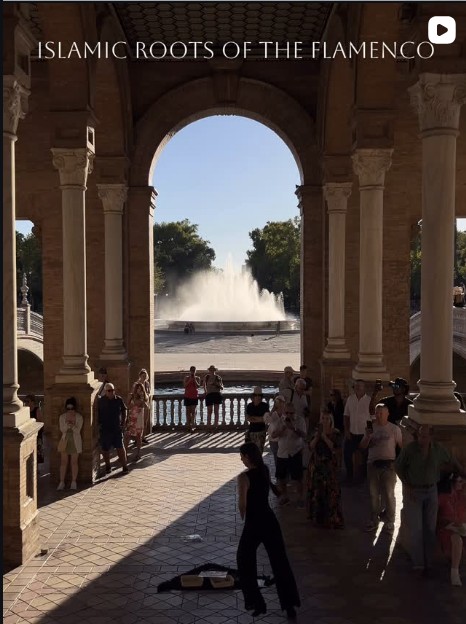
Islamic Roots of the Flamenco
Many historians and musicologists trace important elements of flamenco back to the Arab and Islamic culture of al-Andalus, where Muslim civilisation shaped southern Spain for centuries. Characteristics central to flamenco, including melismatic singing, intricate rhythmic structures, modal melodies, and improvised vocal expression, closely resemble musical traditions found across the Arab world and North Africa. After the fall of Granada in 1492, many Andalusian musical traditions continued in Morocco and the wider Maghreb, preserving styles that share clear similarities with flamenco today. Alongside these structural and melodic continuities, there is also a widely discussed emotional thread that connects flamenco to the historical memory of al-Andalus. The music’s sense of duende, its lamenting tone, and its deep emotional intensity are often interpreted as reflecting centuries of displacement, loss, and cultural rupture following the end of Muslim rule in Iberia. While flamenco developed much later through the contributions of Romani, Jewish, and Christian communities in Andalusia, some scholars and performers have noted that its recurring themes of sorrow, longing, exile, and endurance resonate with the historical experience of Andalusian Muslims and those forced into exile across North Africa. Musically, the tonal qualities and phrasing found in flamenco also show affinities with Maghrebi and broader Arab-Andalusian musical systems, particularly in the use of modes, ornamentation, and rhythmic cycles that parallel North African styles such as Andalusi nubah traditions. The guitar itself, central to flamenco, is often linked in its development to earlier instruments such as the oud introduced into Iberia during the Islamic period, later evolving through centuries of cross-cultural exchange between Iberia and North Africa. Tip: visit the Plaza de España in Seville during the evening for free street performances, which in our opinion, often beat the more exclusive and expensive private shows targeted towards tourists.
 Levante
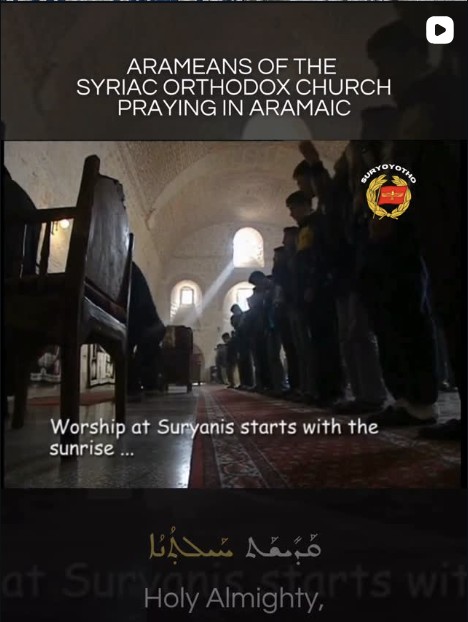
Arameans of the Syriac Orthodox Church praying in Aramaic
Arameans (Suryoye) belong to the Syriac Orthodox Church and are in communion with the other Oriental Orthodox Churches. They have been praying in Aramaic for 2,000 years, the same language that Jesus Christ spoke. #aramean #suryoyo #syriac #turabdin #christianity
 Maghreb
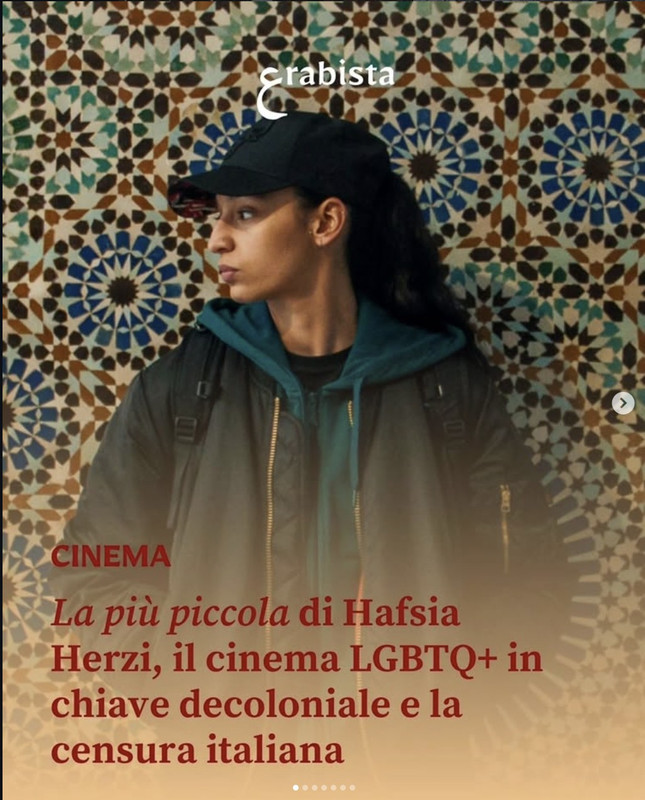
"La più piccola" di Hafsia Herzi, il cinema LGBTQ+ in chiave decoloniale e la censura italiana
Bentornatə su Arabista! Domani andremo a vedere La più piccola e ci opporremo sempre ai tentativi di censura di film che oggi sono più che necessari. La rappresentazione della comunità queer, ancor di più delle seconde generazioni di migranti, di chi vive una doppia marginalità è fondamentale al cinema e ovunque. Voi che ne pensate? Segui Arabista per altri post su cultura dell'area SWANA, queer, femminista e libera ❤️🇵🇸 🏳️🌈
ItaliaQuando Il Carmine divenne un suk per uno spot della Fiat
Vicolo Tre archi nel 1989 fu il set per una pubblicità per lanciare la «Uno» sul mercato del Regno Unito Scopri l'articolo sul sito de Il Giornale di Brescia
 Sud-est asiatico
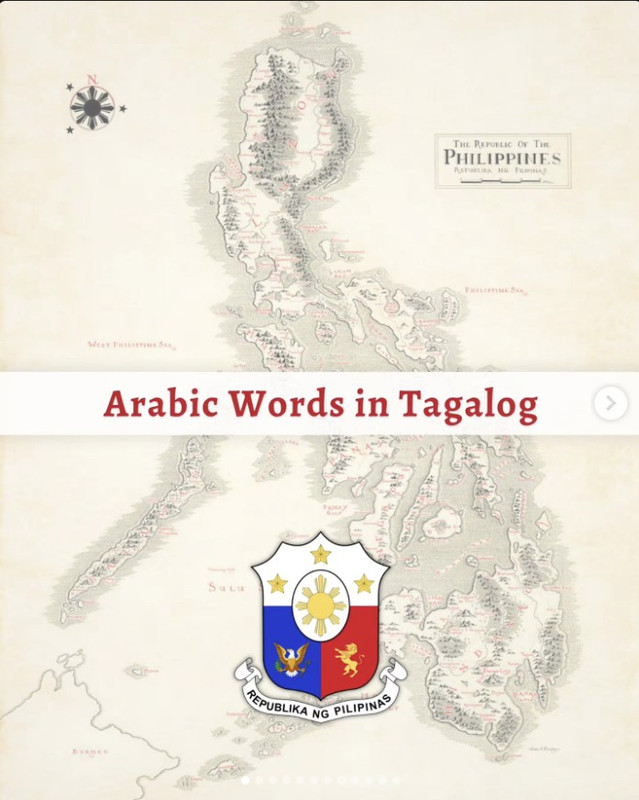
Arabic words in Tagalog
A sample of Arabic words in Tagalog, mostly mediated through Malay and Spanish. #philippines #tagalog #manila
Mondo turcoWho says Kurds and Arabs are enemies?
Before you take any stance: get closer, explore, and understand for yourself. Don’t reduce the world to an “enemy,” and don’t follow hate-driven narratives.
LevanteThe evolution's of Egyptian flags through history
From crescents to eagles 🌙🦅 Egypt’s flags tell the story of a nation constantly reborn. Each design marked a new era, a new identity, and a new vision of Egypt’s power and pride. 🇪🇬 Swipe to see how history unfolded through colours and symbols. Which version of Egypt’s flag do you think looked the most powerful? ❤️
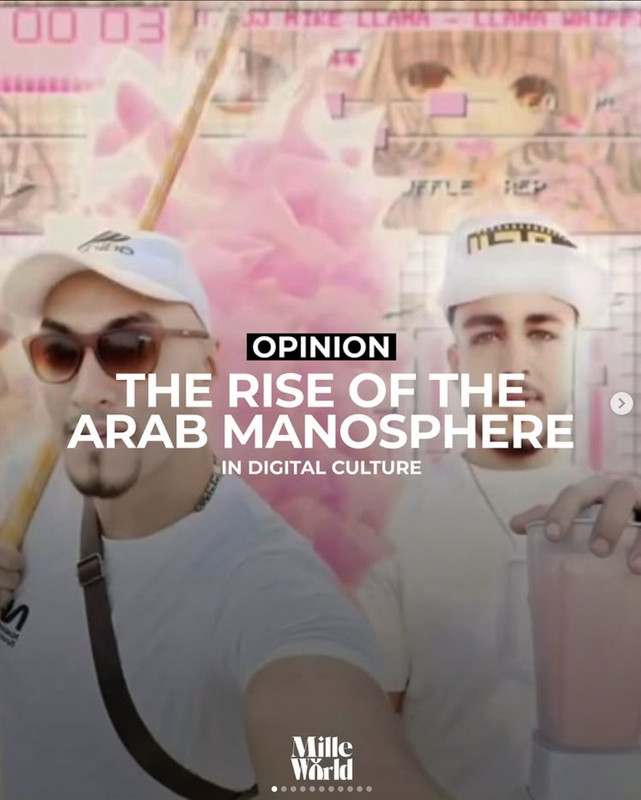 Levante
The rise of the Arab manosphere in digital culture
The manosphere isn’t just a Western internet phenomenon anymore. In our latest deep dive, we spoke to Palestinian feminist and researcher Sara Kaddoura (@hakinasawi) to unpack how it found its way into Arab digital culture. 🖊️ @khlghnm
MaghrebPhotographer wins World Press Photo for Story of Moroccan Tbourida Horsewomen
Italian photographer Chantal Pinzi has been named among the winners of the 2026 World Press Photo Contest for her project “Farīsāt: Gunpowder’s Daughters,” documenting Moroccan women in the traditionally male-dominated world of Tbourida.
MaghrebGuanche Heritage
The Amazigh of The Canary Islands are determined to reconnect with their roots
Maghreb"You talks about decolonization but you speak English" Let's talk about
What do you think about this?
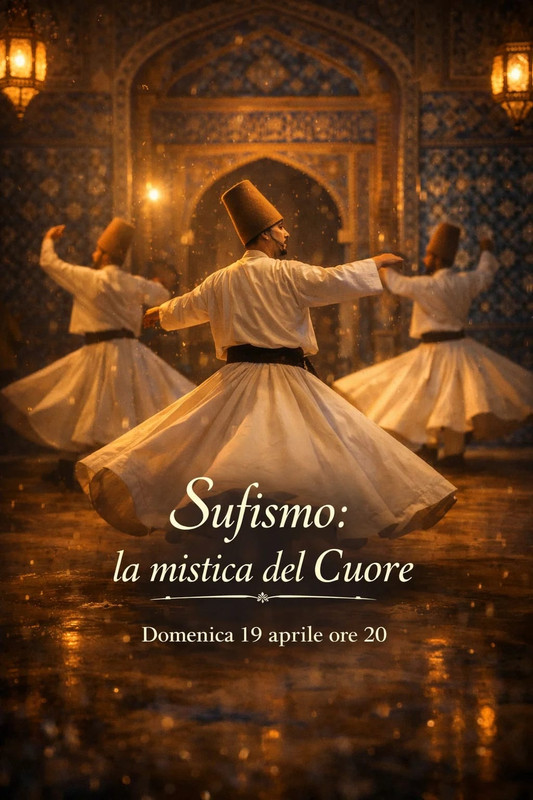 Italia
Sufismo: la mistica del Cuore
In questo nuovo incontro di Anima Mundi dialogheremo con Tommaso Khalid Valisi, creatore del progetto Medioriente e dintorni. Cercheremo di esplorare la spiritualità del Sufismo, mistica islamica che ha attratto e influenzato nei secoli artisti, studiosi e poeti, ricordato da molti per i riferimenti nelle musiche di Battiato ma poco conosciuto nelle vite dei suoi protagonisti, i maestri Sufi e in come si è sviluppato nel tempo.
LevanteHow "Dounana" became a viral anthem of outrage
#Dounana, an Arabic anthem fueled by resistance and a critique of Western supremacy, has taken the digital world by storm. The New Arab sat down for an exclusive interview with the voice behind the viral hit, Syrian singer @sibasmusic. [video by @rashadalhindi]
LevanteA history of Israel's invasions of Lebanon
Since 2 March, Israel has carried out a large-scale air campaign in Lebanon, killing more than 2,290 people, wounding over 7,500, and displacing 1.2 million people, around 20 percent of the population. At the same time, the Israeli military has launched a ground invasion, announcing plans to occupy large swathes of southern Lebanon and stating that displaced residents would not be allowed to return to their homes. Israeli forces have spent weeks demolishing entire villages, using bulldozers and rigging homes with explosives before flattening them in large-scale remote-controlled detonations. Within hours of the ceasefire coming into effect, Israeli troops carried out demolitions, artillery shelling, and land-clearing operations in several border areas, in violation of the truce. As Israeli forces remain inside Lebanon and military operations continue, Middle East Eye examines Israel’s history of invasions since its founding, alongside Beirut’s attempts to resolve the conflict through negotiations 👉
LevanteCreative signals: Dalia Al-Dujaili
There’s something refreshing about the way Dalia Al-Dujaili speaks about creativity. Without pretending to have all the answers. Just curiosity. “You should never stop feeling like a student,” she tells GQ Middle East. “Creativity is most fun when it’s a bit scary.” Whether she’s building her research library Hikma, writing her book Babylon, Albion, or stepping into curation for the first time, Al-Dujaili seems most interested in the spaces where things still feel uncertain. A lot of her work today circles back to Iraq and the people whose stories are too often left out of the conversation. But more than anything, it’s about staying open enough to keep questioning everything you thought you already knew. Hit the link in bio to read the full story.
 Maghreb
Before he was murdered this filmmaker found the sacred in Morocco
The incredible love story between legendary filmmaker Pier Paolo Pasolini and the Cherifian Kingdom of Morocco. Right before his passing, Pasolini was planning to fully move to the kingdom.
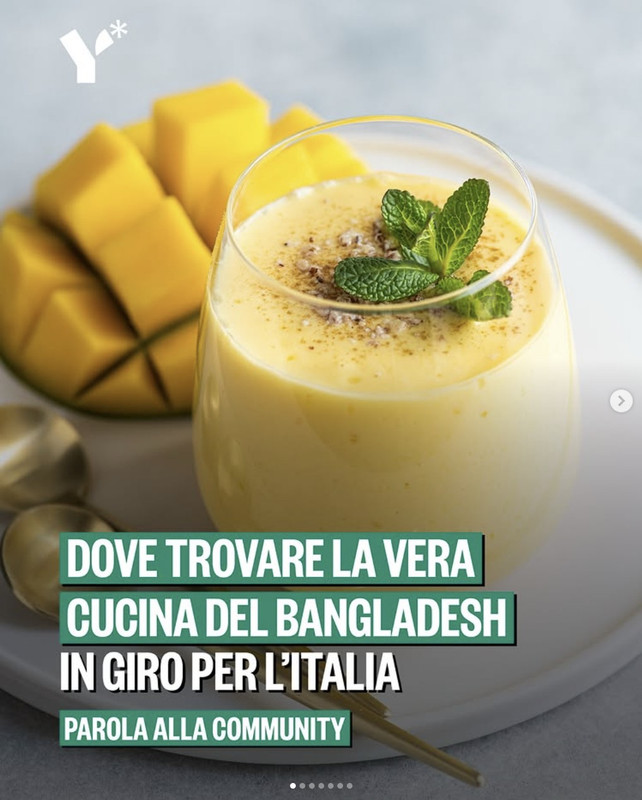 Italia
Dove trovare la vera cucina del Bangladesh in giro per l'Italia
Trovare la vera autenticità non è sempre un’impresa facile, per questo abbiamo deciso di affidarci a voi della community. Inauguriamo questa avventura culinaria dedicata ai sapori del mondo con la vera cucina del Bangladesh 🇧🇩 Scorri il post per scoprire i posti consigliati da voi. E soprattutto, chi dovremmo aggiungere alla mappa? Scrivilo nei commenti 👇
ItaliaSerie Etnopsichiatria - 1 puntata 🧠
Serie Etnopsichiatria - 1 puntata 🧠 La salute mentale nella diaspora non è un fatto privato. È un fatto politico, razziale e istituzionale. Esiste un triangolo razzializzazione, migrazione e diagnosi psichiatrica in Europa, con l’Italia come punto cieco dei dati. Perché qui abbiamo: la clinica, la storia coloniale, la psichiatria, l’Europa, l’Italia, il silenzio statistico, la seconda generazione, la lingua, la diagnosi, i servizi, il razzismo, l’accesso alle cure. E soprattutto: non stiamo parlando solo di più diagnosi di “depressione” o “ansia”. Stiamo parlando di come l’Europa produce sofferenza psichica, la distribuisce in modo diseguale e poi spesso non ha nemmeno gli strumenti per leggerla.
Mondo turco1928 Ottoman language reform
On November 1, 1928, the newly founded Turkish Republic adopted a Latin-based script, abolishing the Perso-Arabic Ottoman script (Osmanlıca). The radical alphabet reform, led by Mustafa Kemal, forced an entire nation to relearn how to read and write, leaving centuries of literature, history, and heritage in the past. The aim was to boost literacy and “modernise” in the name of Western secularism - and ultimately, it did boost literacy rates. Alija Izetbegović criticised the move, arguing that true civilisation is built on continuity, not destruction, and warning that in emulating western style democracy, Turkey had lost its Islamic character and identity.
Mondo turcoHow a cassette shop in Diyarbakır preserved Kurdish music
In a back street of Diyarbakır’s old Sur district, Stüdyo Ses still opens its shutters for a few hours a day. Inside are rows of cassette tapes, stacked with Kurdish, arabesk, protest, dengbêj, and classical music. Founded in 1972 by the owner’s father and older brother, the shop began as a small recording studio. Local artists came to record their first tapes. Some later became famous. Among the names linked to its early years are Mahsun Kırmızıgül, Küçük Emrah, Şakiro Dengbêj, Ayşe Şan, and Şiyar. But Stüdyo Ses is more than nostalgia. In the 1970s and 1980s, when Kurdish was banned in Turkey, cassettes became one of the few ways Kurdish songs, voices, and stories could travel. They were copied at home, smuggled across borders, hidden, exchanged, and sold quietly. Their sound was not always clear, but their meaning was. Today, cassettes are no longer cheap. They are objects of memory, bought by older listeners who grew up with them and younger people drawn to a format they never lived through. In Diyarbakır, these small plastic boxes still carry something larger than music: a record of language, survival, and cultural return. Tap the link in bio to read how one cassette shop helped preserve Kurdish music across decades of silence. ✍️ Joost Jongerden
.png) Balcani, Russia e Caucaso
Balcani, Russia e CaucasoDid the Ottomans forcefully convert Christians in the Balkans to Islam?
Did the Ottomans forcefully convert Christians in the Balkans to Islam? Revisionist historical narratives often portray the conversions of Bosniaks, Albanians, Bulgarians, Greeks, and other South Slavs as being a process of forceful conversion against their will. But genuine historical evidence will completely debunk this claim, as historian Noel Malcom says in this clip when asked if Albanians were forced into Islam.
MaghrebFrom university to war: How Tunisians end up in the ranks of Russian army
From university to the front: how are Tunisians ending up in the war in #Ukraine? Aymen and Montassar went to study in #Russia. Neither imagined they would end up enlisted in a #war that was not theirs. Arrested and then recruited into the Russian army, their families were left without news. Since the start of the conflict, at least seven Tunisians are believed to have joined Russian forces, with one confirmed death and several missing. A trajectory that highlights the fate of young people who left seeking a future and found themselves facing a brutal reality. Investigation available on the #Inkyfada platform, in Arabic and French.
MaghrebThe story of Black Tunisian Activistt Slim Marzoug
📌 Slim Marzoug was one of the first Black Tunisians to publicly raise the issue of anti-Black #racism in #Tunisia in the 1960s. And yet he has nearly been forgotten, his story never having been openly recounted. Nevertheless, the circumstances of his confrontation with authoritarian power are ever engraved in the memory of those who knew him. ➡️ LIEN EN BIO
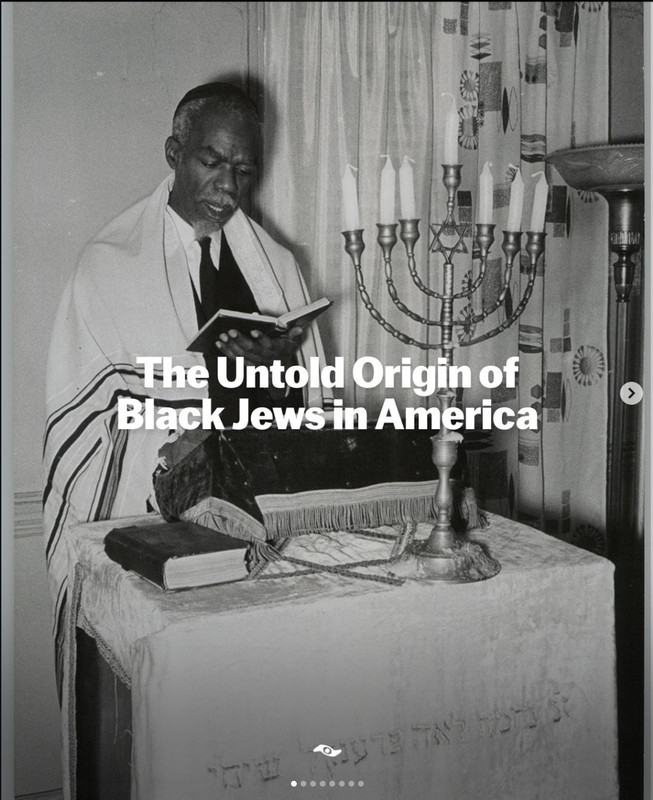
The untold origin of Black Jews in America
Jewish identity has never been singular. For centuries, Jewish communities have existed across Europe, Africa, the Middle East, and Asia, shaped by migration, exile, and exchange. The idea of a single racial image of Jewishness is a modern construction that erases this diversity. In the Americas, Black Jewish histories emerged through multiple paths, from African Jewish communities brought through enslavement to new religious movements during the Great Migration. Many African Americans found deep resonance in Jewish narratives of bondage and liberation. Today, Jews of Color make up a significant portion of the American Jewish population. Despite increased visibility through figures such as Sammy Davis Jr., many continue to face exclusion. Their history is not peripheral, but central to Jewish life itself.
La prima generazione di stranieri in Italia sta invecchiando. E per molti, curarsi sta diventando sempre più difficile.
La prima generazione di stranieri in Italia sta invecchiando. E per molti, curarsi sta diventando sempre più difficile. C’è chi, dopo aver perso il lavoro e il permesso di soggiorno, perde anche l’accesso alle cure. Chi non riesce a orientarsi tra farmaci e servizi sanitari. Chi affronta malattie croniche senza una presa in carico continua. In Italia, circa 590mila stranieri over-60 incontrano ostacoli nell’accesso a visite, esami e terapie. Tra le principali criticità: sottodiagnosi, percorsi di cura interrotti e barriere linguistiche. Un fenomeno ancora poco visibile, ma destinato a crescere. Fonte: Avvenire
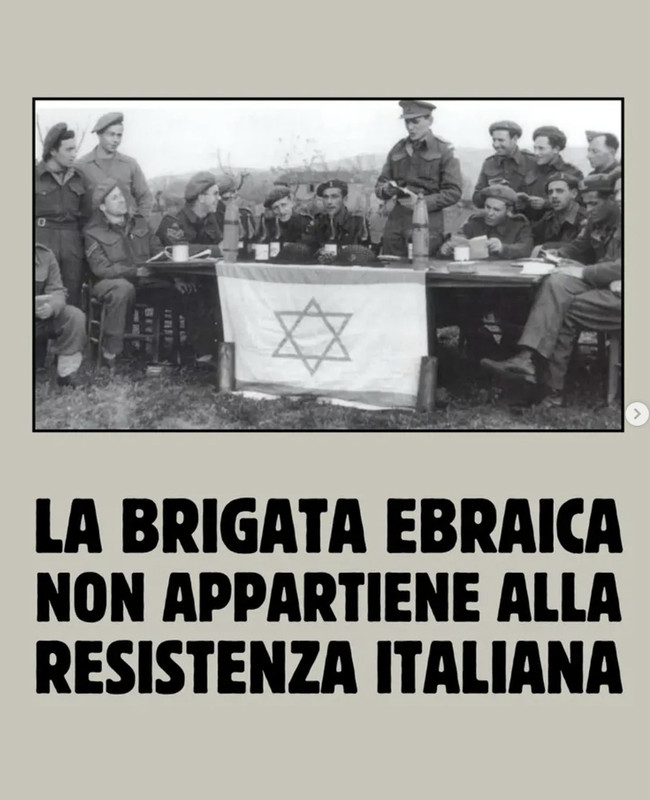
La Brigata ebraica non appartiene alla resistenza italiana
La Brigata Ebraica nasce nel settembre 1944 come unità dell'esercito imperiale britannico. Non è un dettaglio: è la sua essenza. L'impero britannico era la stessa potenza coloniale che occupava la Palestina, che con la Dichiarazione Balfour del 1917 aveva promesso una terra altrui al movimento sionista, e che attraverso il Mandato palestinese aveva aperto le porte alla colonizzazione sionista del paese. La Brigata non nasce nonostante l'imperialismo britannico — ne è una creatura diretta. Finita la guerra in Europa, quei quadri militari rientrarono in Palestina con un bagaglio che non era solo ideologico ma tattico e organizzativo. Divennero la spina dorsale dell'apparato militare che eseguì la Nakba — la catastrofe palestinese del 1947-48. L'Operazione Dalet, il piano sistematico di svuotamento etnico della Palestina, fu realizzata dagli stessi uomini formati nell'orbita della Brigata. Il risultato è noto: oltre 700.000 palestinesi espulsi, più di 530 villaggi rasi al suolo, una società cancellata.
 Levante
L’evoluzione della musica elettronica siriana da ieri ad oggi
Un viaggio alla scoperta della musica elettronica siriana: da Omar Souleyman agli Sharake, passando per gli Shkoon
La liberazione fu anche musulmana
Il 25 aprile ci ricordiamo dei partigiani. Ma quasi nessuno ricorda i musulmani e gli arabi che combatterono contro il fascismo, anche sul suolo italiano. Marocchini, algerini, tunisini, antifascisti dimenticati dalla memoria pubblica. La Liberazione aveva molti volti. Anche questo è 25 aprile.
Perchè una parte della diaspora iraniana sostiene Israele?
Negli ultimi giorni, alcuni membri della diaspora iraniana hanno mostrato sostegno per Israele e per un inasprimento del confronto con l’Iran, arrivando in alcuni casi a legittimare apertamente l’ipotesi di un rovesciamento del sistema politico. In questo processo, si è finito per normalizzare l’intervento delle potenze occidentali come necessario per “liberare” le popolazioni oppresse. Nel caso della diaspora iraniana, la circolazione - e soprattutto la selezione - di contenuti prodotti da porzioni della diaspora che celebrano gli attacchi o invocano ulteriori pressioni militari viene rapidamente assorbita nei circuiti mediatici occidentali: questo contribuisce pericolosamente a rafforzare l’idea che un’escalation, fino all’intervento diretto, non sia solo legittima ma addirittura necessaria.
Nella resistenza italiana combatterono persone di oltre 50 nazionalità diverse
La Resistenza italiana non fu mai una storia unica o semplice. Combattenti provenienti da oltre 50 nazionalità diverse parteciparono alla lotta contro il nazifascismo. Tra loro anche africani, italiani di origini miste e giovani che hanno scelto di schierarsi. Questa è una parte di storia che raramente viene raccontata. Se non la conoscevi, è il momento di rimettere insieme i pezzi.

Una chiacchierata con Suray
Stasera live con Suray, un dj leccese fondatore di Chakra Records, una delle maggiori etichette discografiche di musica elettronica araba che oggi rappresenta uno dei punti di riferimento per tutto il genere

Why did Morocco's Gen Z Revolt Fail?
It is essential to clarify that the issues that emerged in the “Gen Z protests”—education and healthcare—are not the real problem, but symptoms of a much deeper disease. At the root of the problem is a political-economic system based on a political class and big capitalists who operate as an oligarchy, concentrating power and resources in the hands of a few: the Makhzen. Until this structural issue is addressed, any progress will be illusory. As destabilizing, even frightening, as it may seem, addressing this point is inevitable if real change is desired. It means accepting the possibility of a profound break with the existing state of affairs. But without this break, the country will remain stuck, and the material conditions of the people will continue to worsen. In this context, it becomes essential to also address the issue of the monarchy, not in abstract terms—monarchy or republic—but in material and concrete terms. How much does the monarchy benefit from this corrupt system? How interested is it in maintaining it for its own political survival?

La nuova moda pop palestinese, dalla tradizione a Saint Levant
La nuova moda pop palestinese, da un’immaginario rurale a grandi artisti come Saint Levant e Shadia Mansour
Ziryab
Before Influencers There Was Ziryab 🪥 He Invented Your Morning Routine in 850 AD Ziryab. Baghdad → Córdoba. 789–857 CE. He arrived in Al-Andalus with nothing but his talent and left a civilization transformed. His real name was Abu l-Hasan Ali ibn Nafi. They called him Ziryab — The Blackbird — for the beauty of his voice. But music was only the beginning. He invented the three-course meal: soup, main, dessert. He introduced crystal glasses to replace metal cups. He pioneered seasonal fashion — different clothes for winter and summer. He brought Europe toothpaste. He brought Europe deodorant. He founded the first music conservatory in the West. He added a fifth string to the oud. He wasn't just ahead of his time. He was the blueprint for every era that followed. The world's first true cultural influencer — and almost no one knows his name.

Israel says established a ‘yellow line’ in Lebanon, as it has in Gaza
It is the first time Israel has referred to such a ‘yellow line’ in Lebanon, after using a similar measure in Gaza.
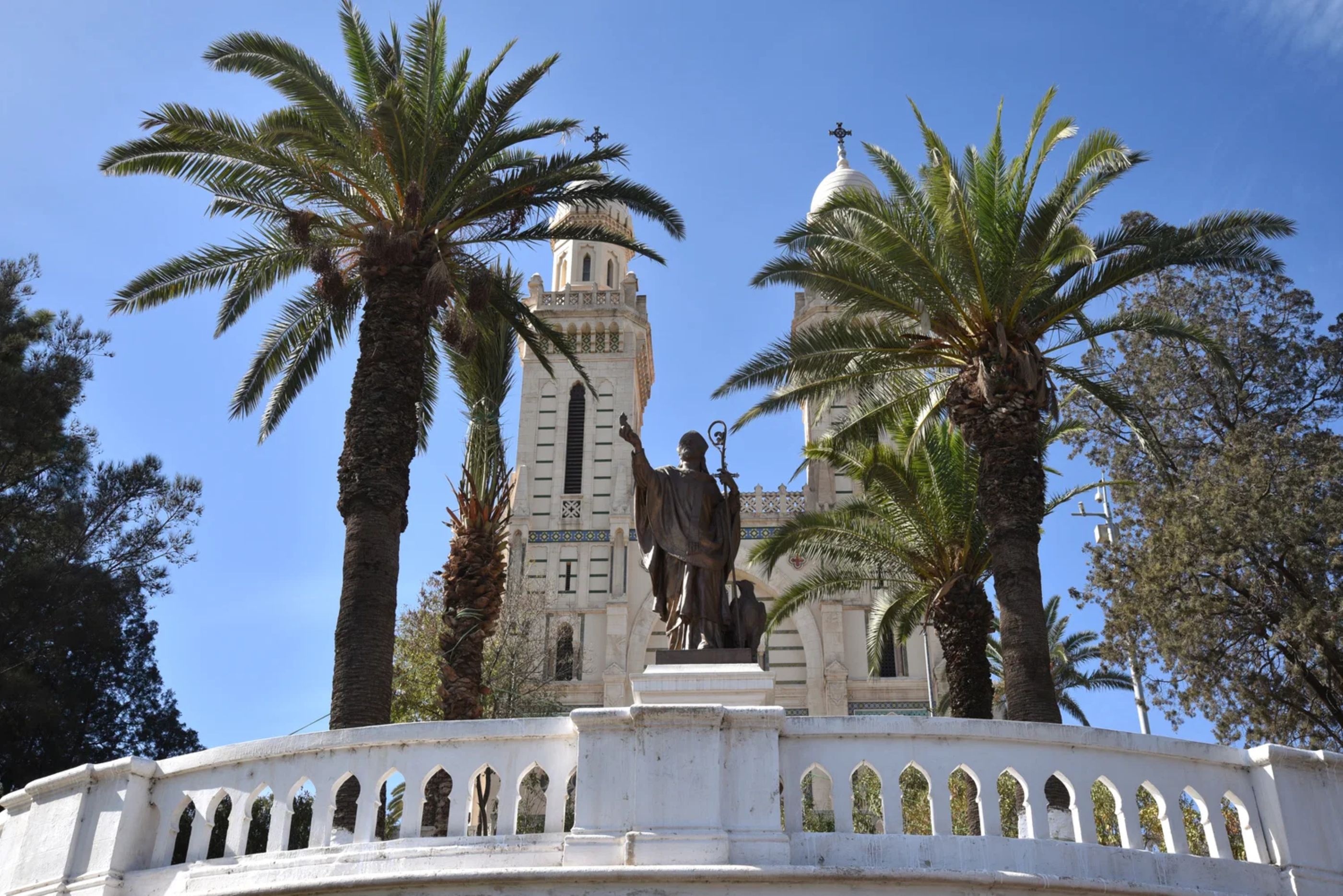
Agostino e quella mistica che dalla Spagna conduce all'Algeria
𝘈𝘳𝘵𝘪𝘤𝘰𝘭𝘰 𝘱𝘶𝘣𝘣𝘭𝘪𝘤𝘢𝘵𝘰 𝘴𝘶 @ossromano 𝘪𝘭 14 𝘮𝘢𝘳𝘻𝘰 2026. Si è a lungo creduto che il pensiero di Agostino fosse rimasto sconosciuto al mondo islamico medievale. Eppure c’è una traccia che riporta il doctor gratias in Algeria, passando per i cristiani mozàrabi in Spagna, il grande mistico Ibn ‘Arabi, e il suo interprete del XIX secolo, l’algerino ‘Abd al-Qadir. Ne hanno parlato Martino Diez, professore associato di lingua e letteratura araba presso l’Università Cattolica del Sacro Cuore e direttore scientifico della Fondazione Oasis, e Samuela Pagani, professoressa associata di lingua e letteratura araba presso l’Università del Salento 👉 www.oasiscenter.eu!

“Futurchia”, antologia della fantascienza turca
“Futurchia” è un’antologia di 7 racconti in grado di introdurvi al meglio al mondo della fantascienza turca, quasi del tutto inesplorata in Italia e nel mondo

Eventi: la lista di tutti quelli annunciati per il 2026
La lista di tutti gli eventi annunciati per il 2026 legati alle tematiche di Medio Oriente e Dintorni; un viaggio fra musica, letteratura, cultura e spettacolo